Orthopaedic Surgery,
Performed with
Engineered Precision.
We treat patients, not reports. Every stage of care is structured, explained, and supported, from in-person consultations through post-operative care and rehabilitation.
Mr. Gibbons' focus is on helping patients clearly understand their condition and the surgical journey ahead
John Gibbons is a consultant orthopaedic surgeon and qualified engineer specialising in knee and hip replacement surgery. His background in engineering brings a practical understanding of structure and precision to every procedure, from planning to recovery. By combining technical insight with surgical expertise, he delivers joint replacements planned with accuracy and designed for longevity.
001 > In-Person Consultations
We start by getting to know your medical history, symptoms, and goals, ensuring a deep understanding of your unique situation.
002 > Pre-Surgery Education
Comprehensive education about your procedure, recovery timeline, and what to expect at every stage of your journey.
003 > Technology-Supported Surgical Planning
Advanced imaging and robotic planning ensures precise implant positioning tailored to your anatomy.
004 > Supervised Post-Operative Care
Enhanced recovery after surgery protocols and follow-up care.
An Engineering Background. A Surgical Focus.
Mr. Gibbons combines his engineering background with surgical expertise to deliver precise, long-lasting joint replacements.
Mr. Gibbons has specialist interests in total hip, total knee, and partial knee arthroplasty, particularly in the use of robotic assisted surgery for which he was certified during his fellowship in North Shore Hospital, Auckland, New Zealand. He has also trained in soft tissue knee surgery including ACL reconstruction and meniscal surgery.
The goal is not just to replace the joint, but to restore quality of life.
Mr. Gibbons
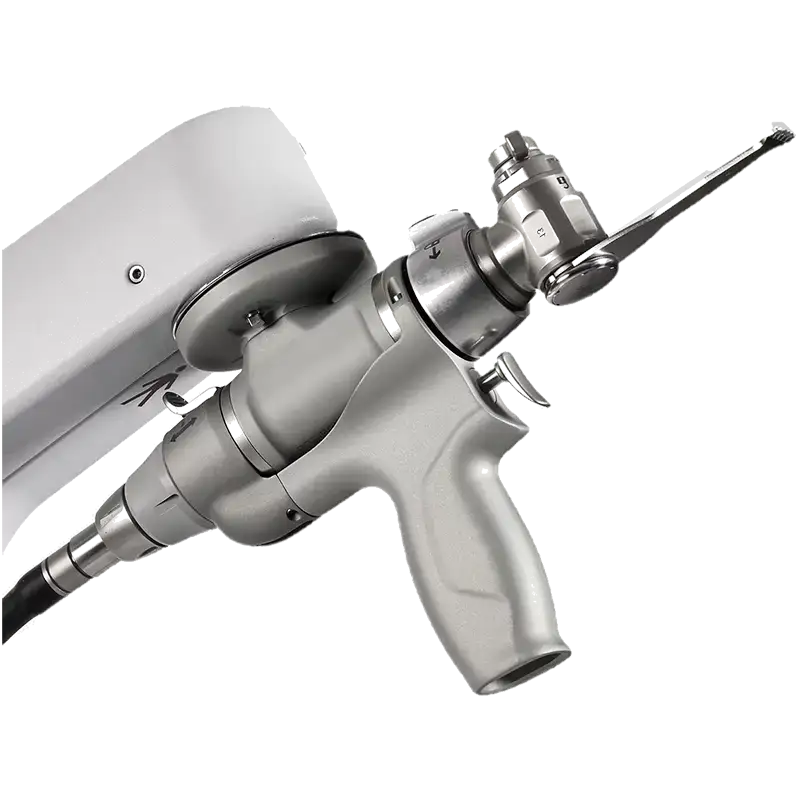
Robotic-assisted surgery allows for highly accurate implant positioning tailored to each patient's unique anatomy. By combining pre-operative imaging with real-time feedback during the procedure, Mr. Gibbons achieves optimal alignment and fit. These factors directly influence the longevity and function of your joint replacement.
Enhanced recovery after surgery protocols as well as structured follow-up.
Careful pre-operative assessment, evidence-based surgical technique, and attentive post-operative monitoring work together to minimise the risk of complications. Mr. Gibbons applies his engineering mindset to anticipate and address potential issues before they arise, supporting safer outcomes and smoother recoveries.
Hip & Knee Replacement Surgery
Joint pain shouldn't dictate how someone lives. Mr. Gibbons offers hip and knee replacements that prioritise function, comfort, and day-to-day independence. His approach blends careful assessment, precise surgical technique, and clear postoperative guidance to support a smooth and confident recovery.
Total Hip Replacement is when the ball and socket of the hip joint are replaced with metal components with a ceramic-on-plastic joint bearing to allow smooth pain-free hip movement that is designed to last. Mr Gibbons uses the implants with the best registry performance to ensure maximum longevity of your new hip. This is performed through a minimally invasive posterior approach. Mr. Gibbons uses an Enhanced Recovery After Surgery Protocol and you are encouraged to mobilise the day of surgery. Most patients go home day 1 or day 2 post surgery.
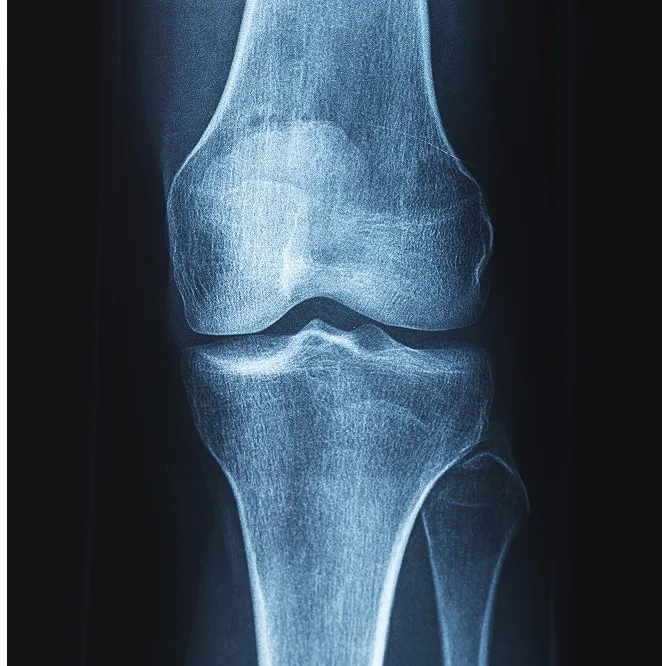
Total knee replacement is performed with robotic assistance. It involves pre-operative planning with a scan of your whole leg to allow restoration of your pre-arthritic alignment. The surface of the femur and tibia are replaced with metal components and a plastic liner allows for smooth pain-free knee movement that feels natural. The implant used by Mr. Gibbons is one of the best performing implants on the registry ensuring best longevity of your new knee. Mr. Gibbons uses an Enhanced Recovery After Surgery Protocol and you are encouraged to mobilise the day of surgery. Most patients go home day 1 or day 2 post surgery.
Minimally invasive knee surgery, known as knee arthroscopy is performed through two keyhole incisions in the knee. It allows visualisation of what exactly is going on in your knee as well as the ability to repair or remove damaged tissue such as the meniscus, cartilage or cruciate ligaments. As it's minimally invasive this is typically performed as a day procedure and you can go home the same day.
FAQs
Frequently Asked Questions
Most patients are referred by their GP or another healthcare provider. Your doctor can send a referral letter to Mr. Gibbons' practice. If you have private health insurance, check whether you need a GP referral or can refer yourself. Contact the practice directly if you have questions about the referral process.
Bring your referral letter (if you have one), a list of any medications you take, details of your medical history, and any previous X-rays or scans related to your hip or knee. It also helps to write down your symptoms and questions in advance so we can make the most of your consultation.
The first appointment is a thorough assessment. Mr. Gibbons will review your history, examine your joint, and discuss your symptoms and goals. We may arrange X-rays or other imaging if needed. You'll receive a clear explanation of your condition and the treatment options available, including both non-surgical and surgical approaches.
Yes. Not every patient needs surgery. Mr. Gibbons will explain all relevant options, from physiotherapy and lifestyle changes to injections and, if appropriate, joint replacement. The aim is to find the approach that best fits your condition, goals, and circumstances.
Coverage depends on your health insurance plan. Many Irish policies cover consultant consultations and joint replacement surgery. We can provide you with the information you need to check with your insurer. Our team can also advise on typical costs if you are self-paying.
We understand that cost is a concern. Options may include payment plans, checking eligibility for treatment under your insurance, or exploring the public system. Discuss your situation with our team—we will do our best to help you understand the options available.